
We deliver consultancy, analysis and strategy projects for transport systems that are grounded in evidence, built around their users and sustainable in the long run. A selection of the projects we have completed and contributed to is set out below.
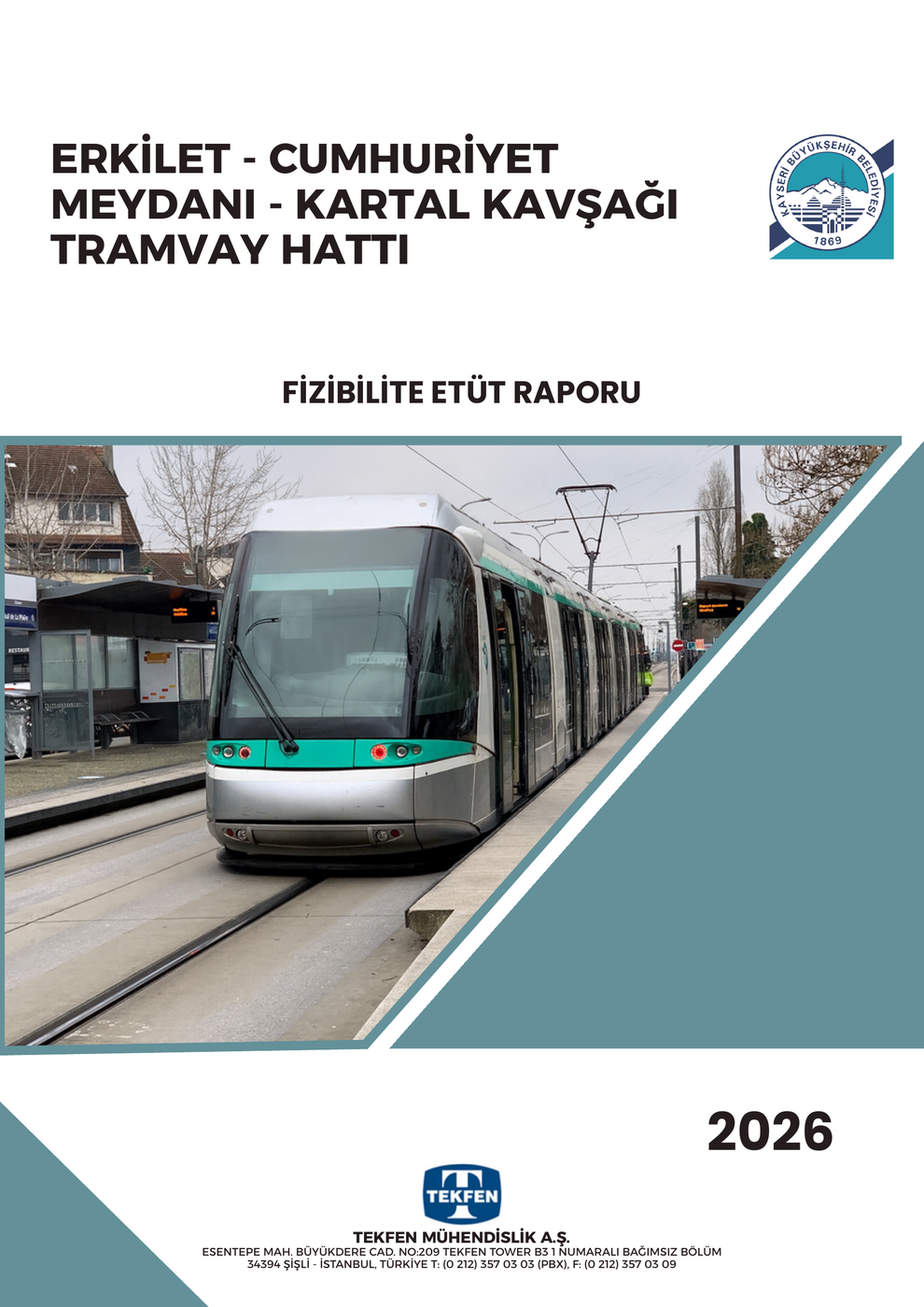
Travel demand, route options and feasibility are examined for the tram line planned along the Erkilet, Cumhuriyet Square and Kartal Junction corridor.
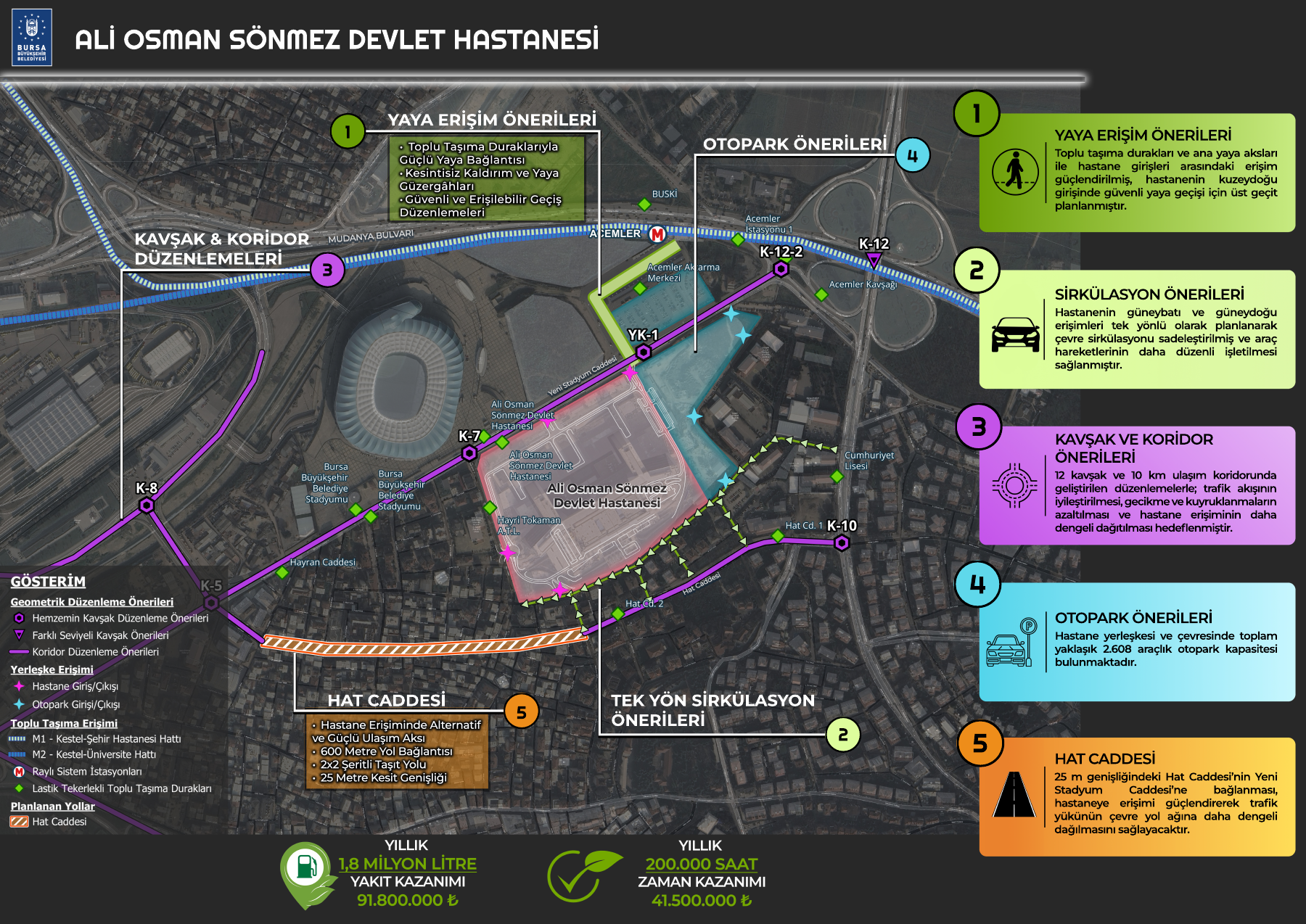
Vehicle and pedestrian demand, junction capacity, parking, public transport and accessibility around Ali Osman Sönmez State Hospital are assessed as a whole.
At Acemler, the rail junction, a new interchange station and underground pedestrian links are used to strengthen accessibility and the interchange function of the area.
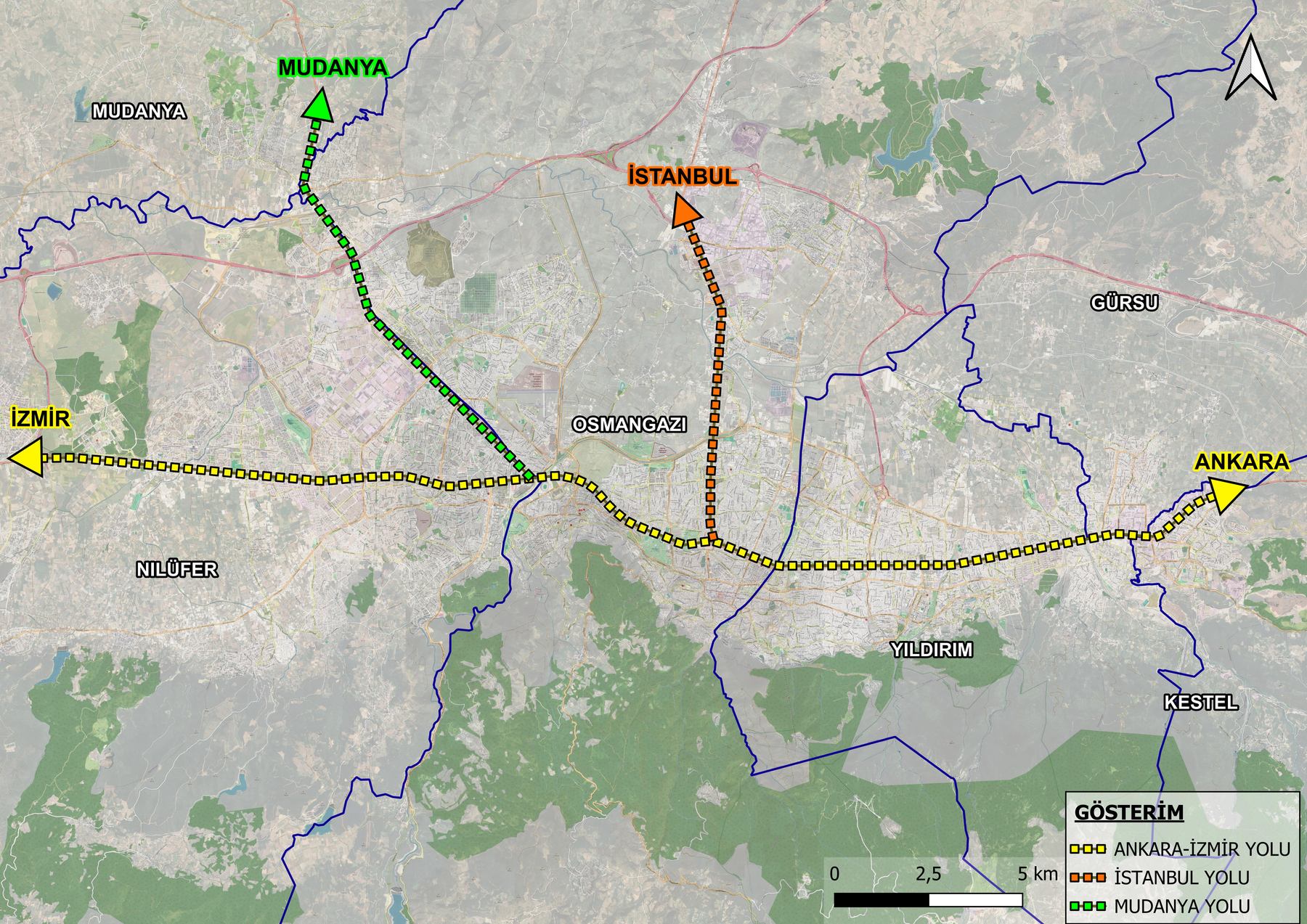
Merge and diverge points along Bursa's Ankara, Izmir, Mudanya and Istanbul road axes are examined in terms of capacity, road safety and operational performance.
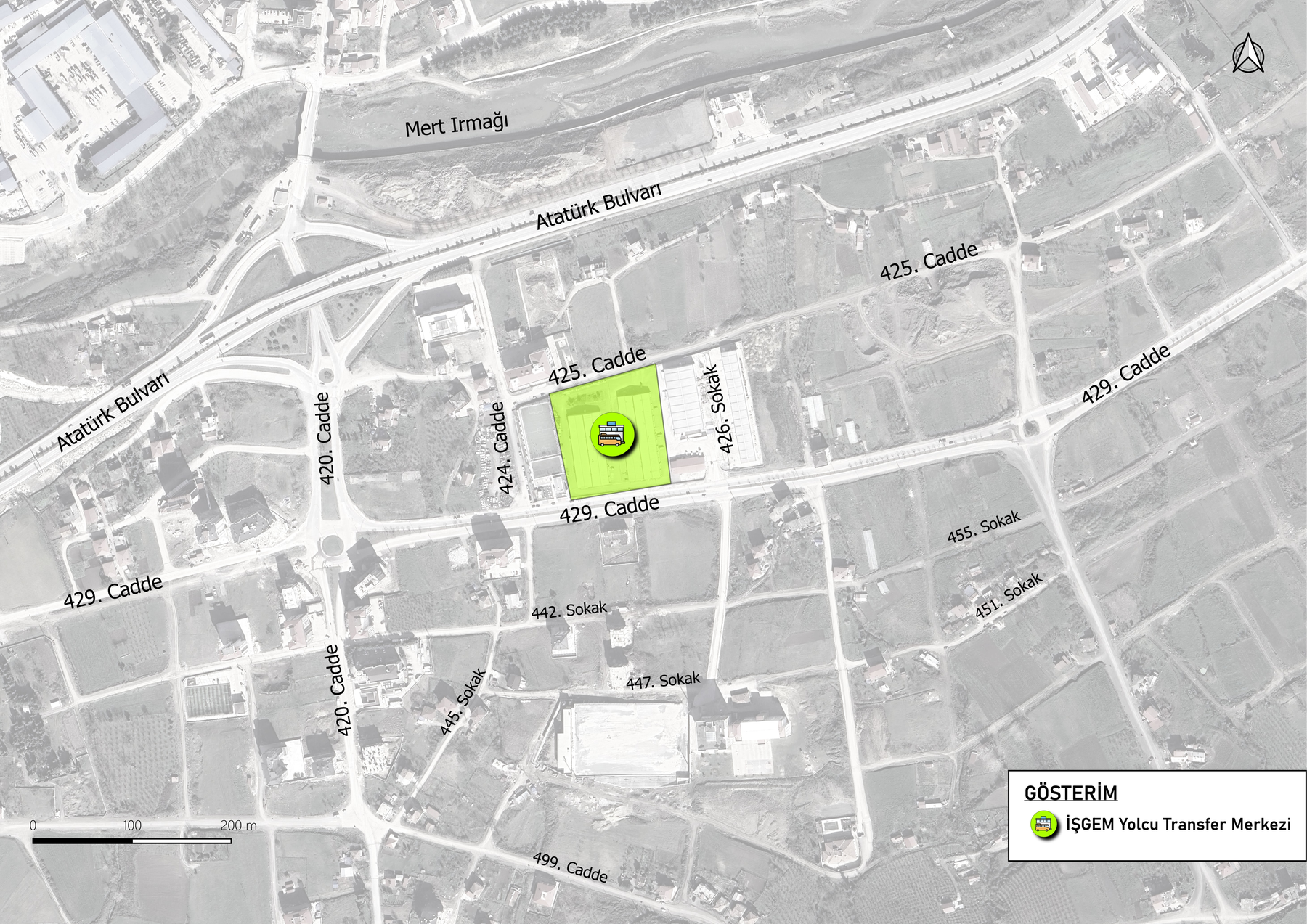
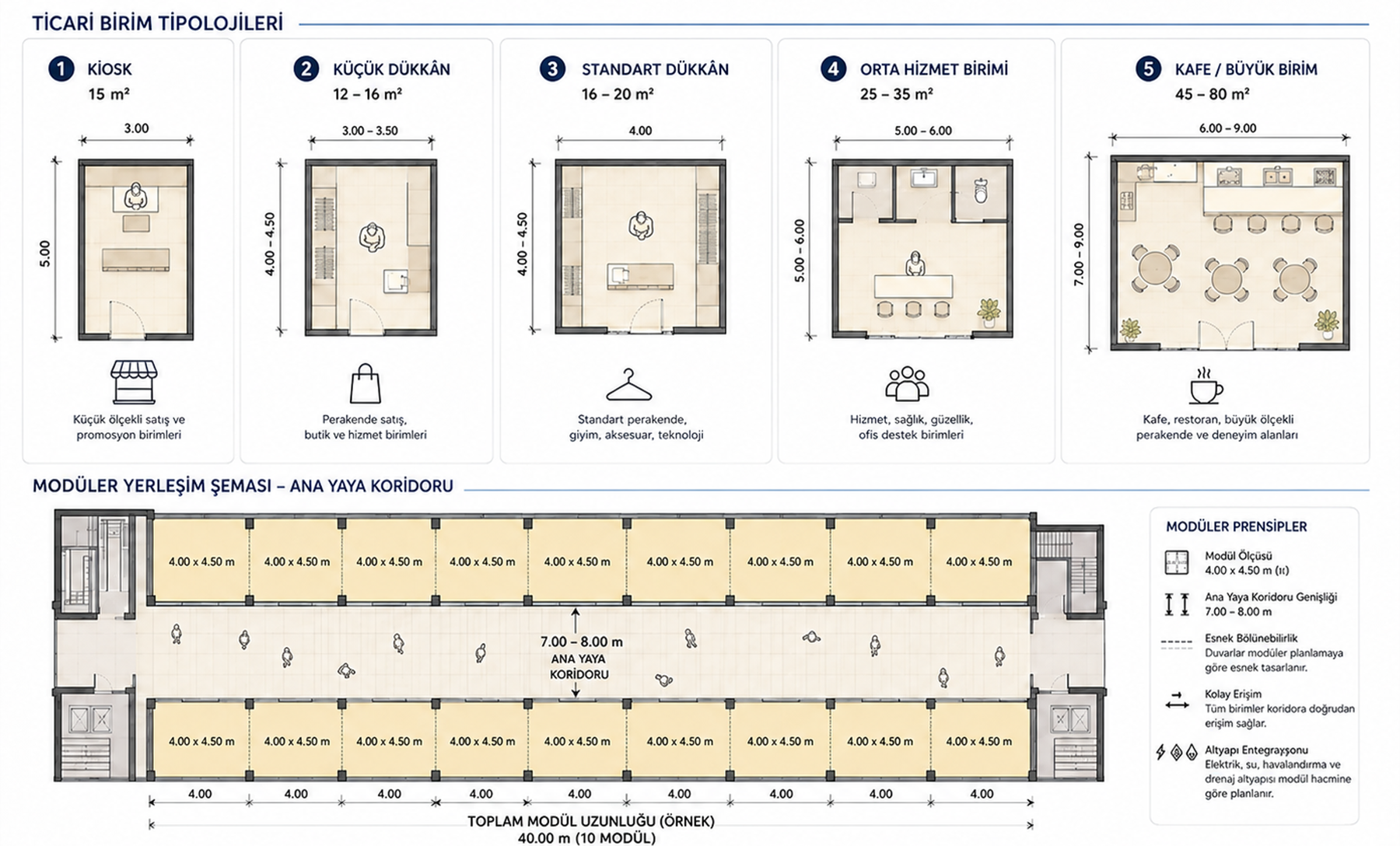
The İŞGEM buildings in Canik are to be converted into a passenger transfer centre integrated with road, rail and public transport connections.
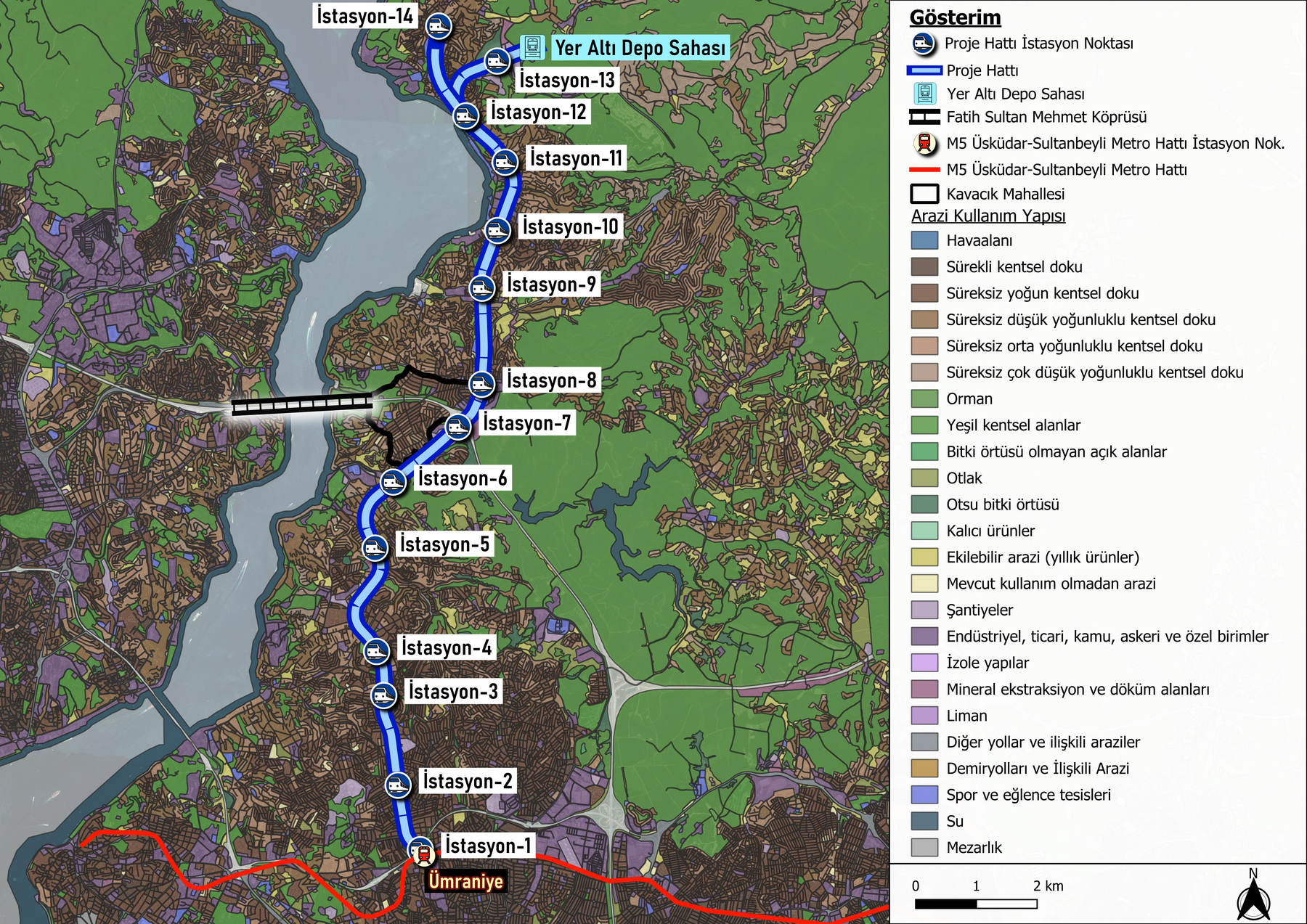
Route, station, demand and feasibility work is under way for an integrated rail link between Ümraniye, Kavacık and Beykoz.
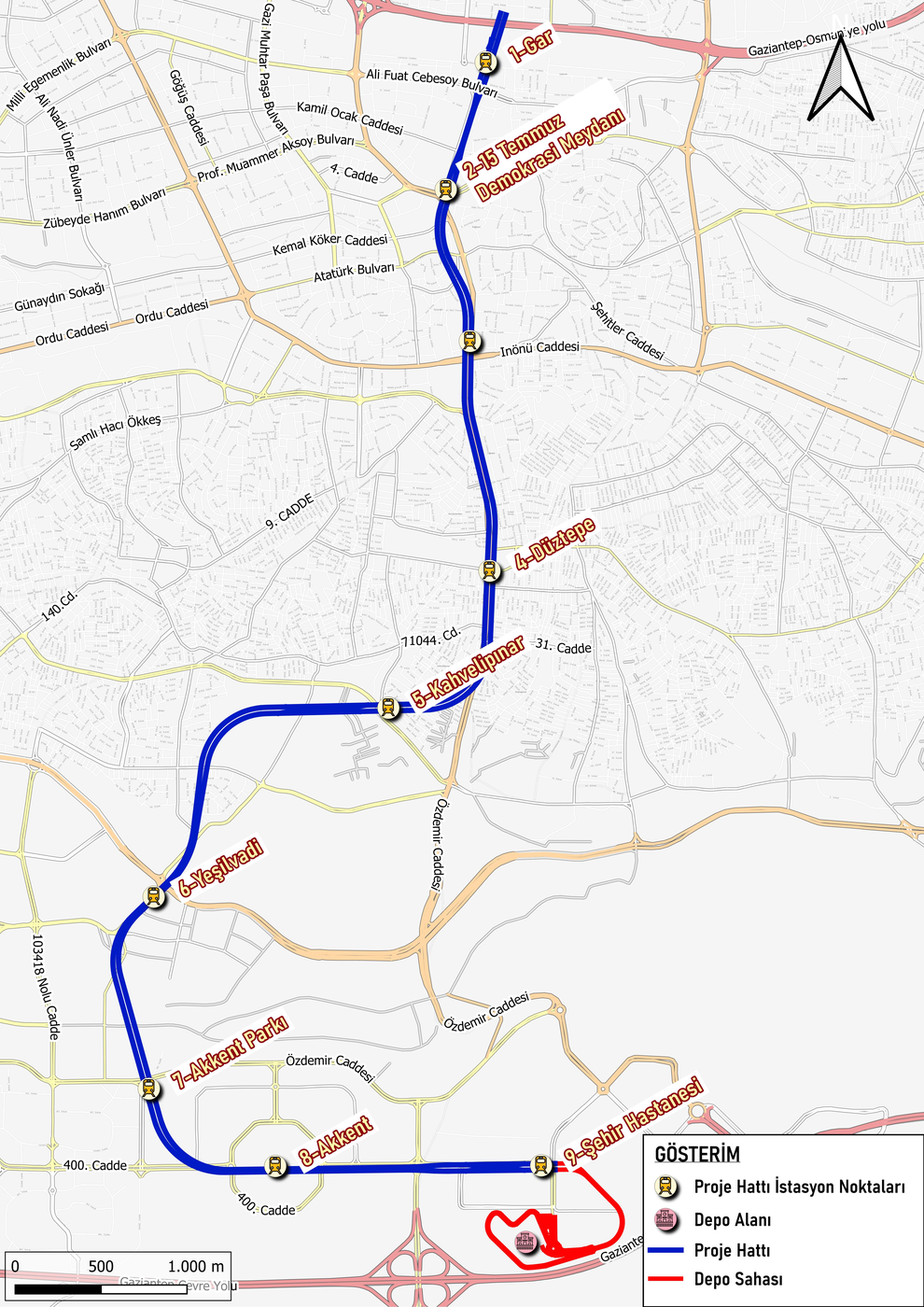
The feasibility of a light rail line providing a strong public transport link between Gaziantep Station, Düztepe and the City Hospital is assessed.
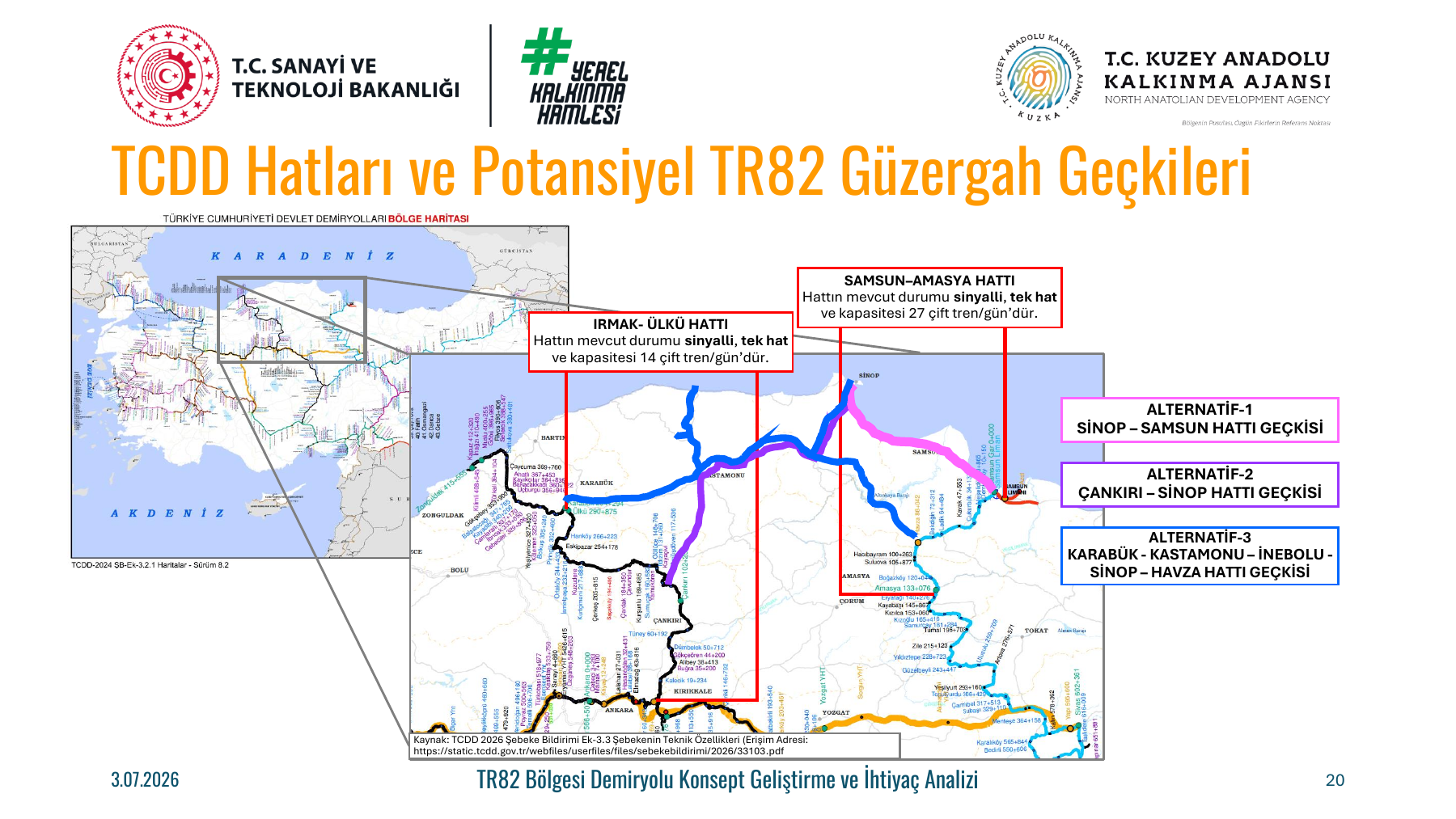
Passenger and freight rail requirements and concept route options are analysed for the production centres, ports and settlements of the TR82 Region.
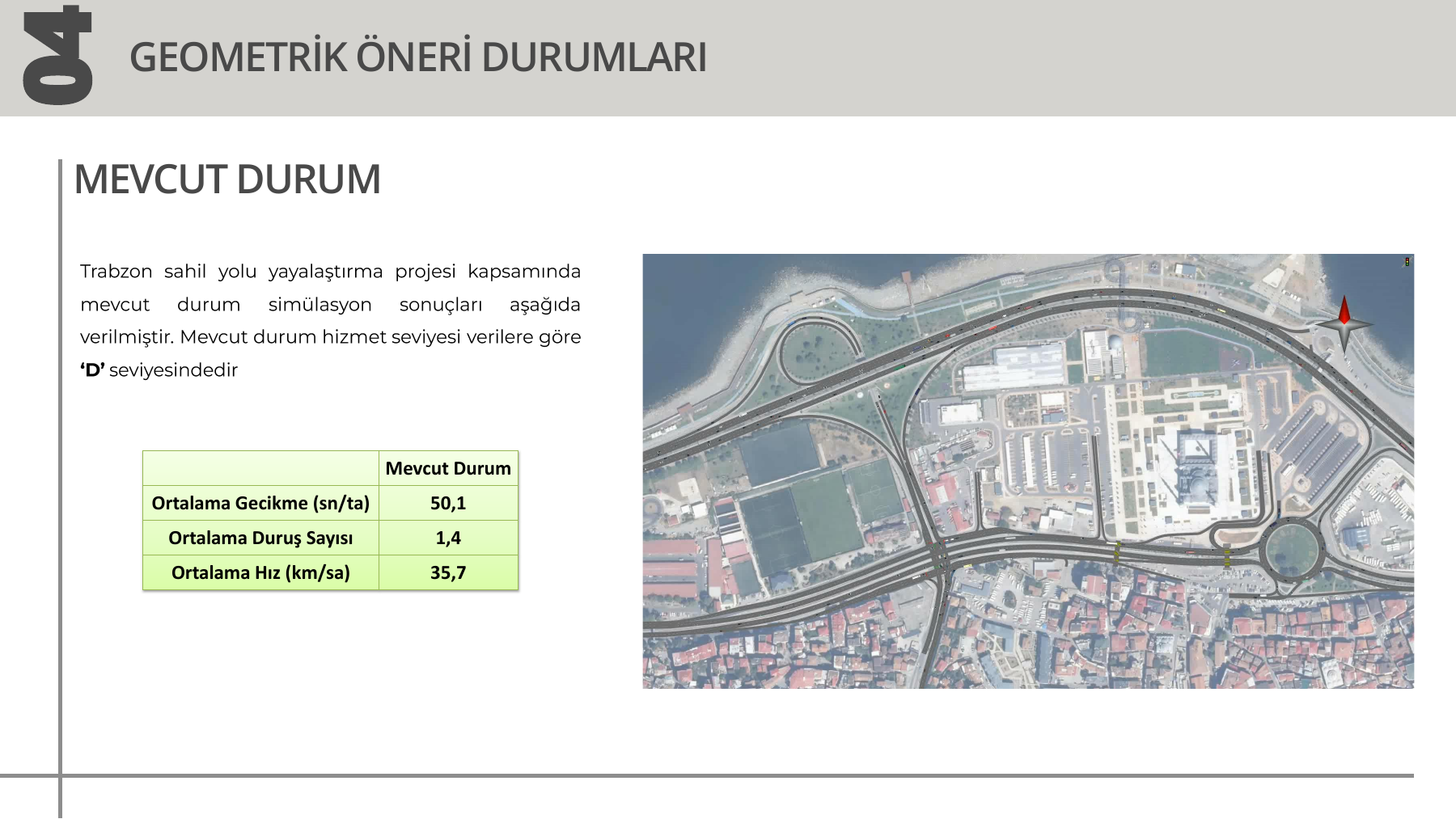
Junctions, pedestrian crossings, logistics access and traffic circulation are considered together in order to strengthen pedestrian priority and access to the shoreline in Trabzon.
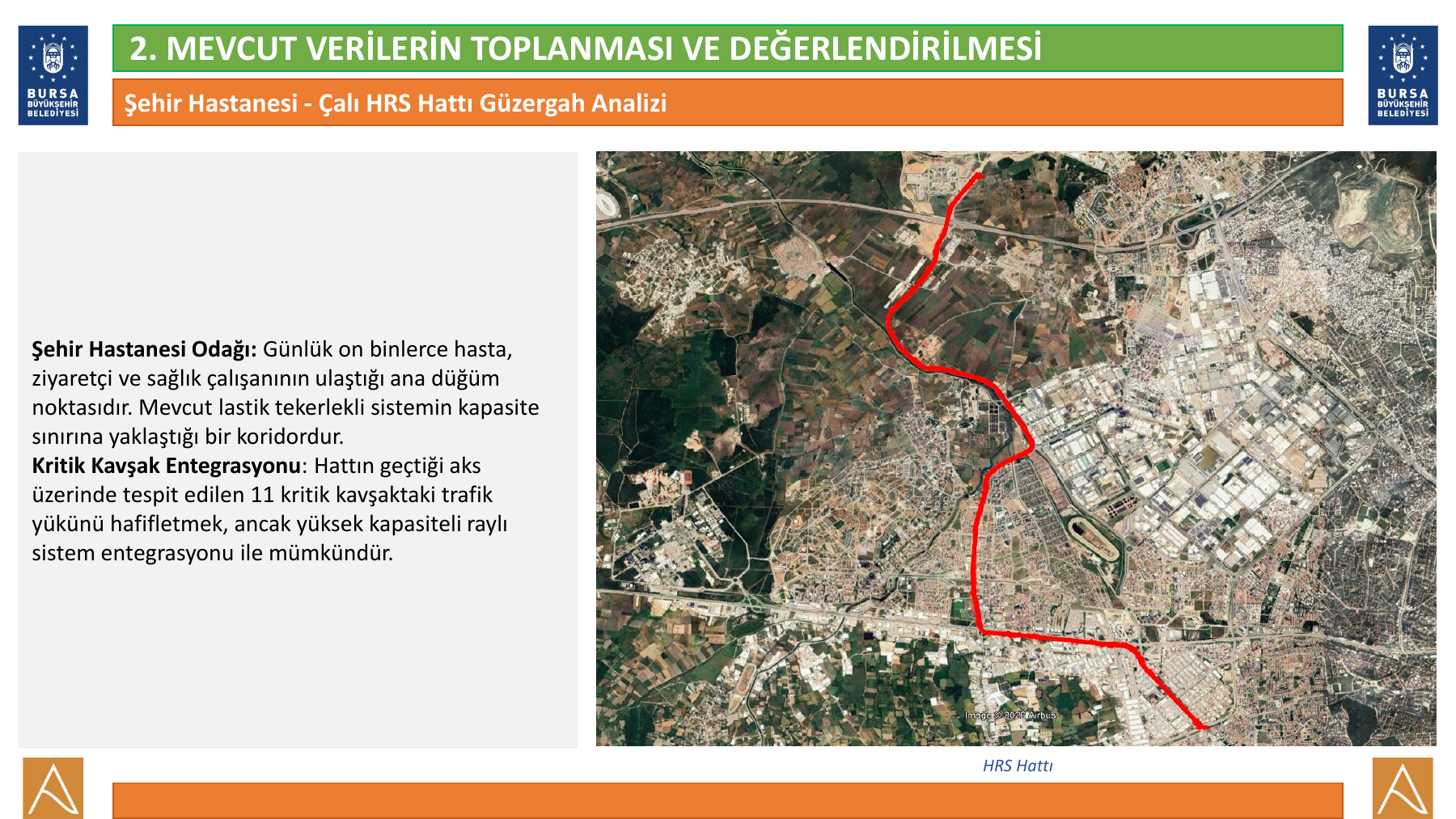
Travel demand, route options and interactions with the road network are examined for two lines that will strengthen rail access along Bursa's growing south-west corridors.

The Trabzon Urban Transport Master Plan assesses the existing transport infrastructure in line with the Master Development Plan and develops public transport, traffic management and active travel to deliver sustainable, balanced urban mobility.

The Alibeyköy Multimodal Transfer Centre is a pilot scheme prepared under the European Union programme with the support of the French Development Agency (AFD). Its purpose is to widen the range of travel options within the city and reduce congestion.

At the meeting, attended by 26 countries, Prof. Dr. Halim Ceylan, one of our founding partners, delivered the presentation “Developing Intelligent Transport Systems in OIC Member Countries: The Case of Türkiye”.

The scheme was developed to relieve congestion around Beşiktaş and give traffic an uninterrupted route from Dolmabahçe to Levazım, shortening journey times, lowering operating costs and improving the efficiency of travel across the area.

Increasing public transport capacity along the Gölcük–Başiskele–İzmit corridor, relieving congestion and creating a fast, safe and sustainable system integrated with the Akçaray tram and the other planned LRT lines

Meeting the growing demand for travel between Mezitli and 3 Ocak, relieving congestion and strengthening Mersin's urban transport infrastructure through a fast, safe, comfortable and low-emission rail line integrated with the existing public transport system

Junction improvements along the corridors designated for evacuation in an emergency are intended to increase capacity, keep traffic moving without delay, save fuel and time, and deliver transport infrastructure that is resilient to disasters.

Connecting the Ege Gübre plant to the national rail network moves its logistics onto rail, lowering transport costs, improving efficiency, strengthening port and hinterland connections and reducing environmental impact.

A fast, safe and fully integrated tram connection to Samsun City Hospital and the public campus, intended to increase the share of trips made by public transport, relieve congestion and keep environmental impacts to a minimum.

Keeping traffic safe, orderly and uninterrupted on the Turkish Airlines campus throughout construction; improving safety for pedestrians and drivers; and maintaining operational continuity.

Analysis of the capacity, safety and traffic flow problems on the Izmir Ring Road and its junctions led to sustainable solutions comprising geometric improvements and revised connections.

The traffic impact assessments analysed the effects of developments across the city on traffic volumes, capacity utilisation and safety, and produced recommendations to improve efficiency, reduce adverse effects and deliver sustainable solutions.

Carried out to manage the increase in traffic expected once the Ankara Courthouse opens, the study set out the necessary infrastructure and traffic measures on the basis of baseline analysis and scenario assessment.

Improving the existing road infrastructure within the municipal boundary of Isparta in order to reduce traffic volumes, journey times and transport costs; supporting sustainable travel by keeping environmental effects to a minimum; improving road safety and preventing collisions; and providing safe, comfortable and efficient movement for pedestrians and vehicles alike.

Designing junction layouts suited to current and future traffic volumes in order to reduce delay, raise average speeds and prevent queuing.

Maintaining continuity of service on the road and public transport networks during metro construction, protecting traffic flow and keeping passenger loads in balance.

Once open, the tunnel is intended to cut journey times substantially, make better use of capacity, improve accessibility across the area and support environmental sustainability, encouraging economic and social development in northern Istanbul.

The motorway is intended to accelerate regional development by shortening journey times, improving road safety and strengthening logistics connections.

The project sets out to improve freight efficiency, reduce costs and encourage sustainable transport through a logistics centre and its rail connection.

Providing fast, comfortable and fully integrated rail travel between Kızılay and Dikmen, increasing public transport capacity and supporting sustainable urban mobility.

Providing integrated, fast and comfortable rail travel between Konyaaltı and Varsak in Antalya, increasing public transport capacity and reducing road traffic.

Connecting the Çayyolu and Sincan metro lines to deliver seamless, integrated public transport, shorten journey times and improve comfort for passengers.

Establishing the technical, financial and economic feasibility of a rail line providing fast, reliable and integrated public transport between Trabzon city centre, the airport, the university and other major trip generators.

The project aims to give the SASA plant direct rail access, reducing its reliance on road haulage, improving energy efficiency and lowering carbon emissions.
Work continues in Bursa's south-west corridors on an origin–destination survey of 2,500 households, traffic counts at 11 critical junctions, transport modelling and the comparison of route options.
Short and long-term design options for five junctions and five pedestrian crossings along the seafront are being tested in traffic simulation, with pedestrian priority assessed alongside logistics and vehicle access.
The rail requirements of the industrial, port and population centres of Kastamonu, Çankırı and Sinop are being examined through stakeholder consultation, freight and passenger demand analysis and concept route options.
Solutions are being developed for the conversion of the İŞGEM buildings in Canik, Samsun, into a passenger transfer centre, covering road, rail, bus and pedestrian connections together with on-site circulation and accessibility.
We provide data-driven solutions tailored to what each project needs.
We work transparently and collaboratively with local stakeholders.
We comply fully with national and international standards.
We give priority to sustainability, accessibility and social impact.