
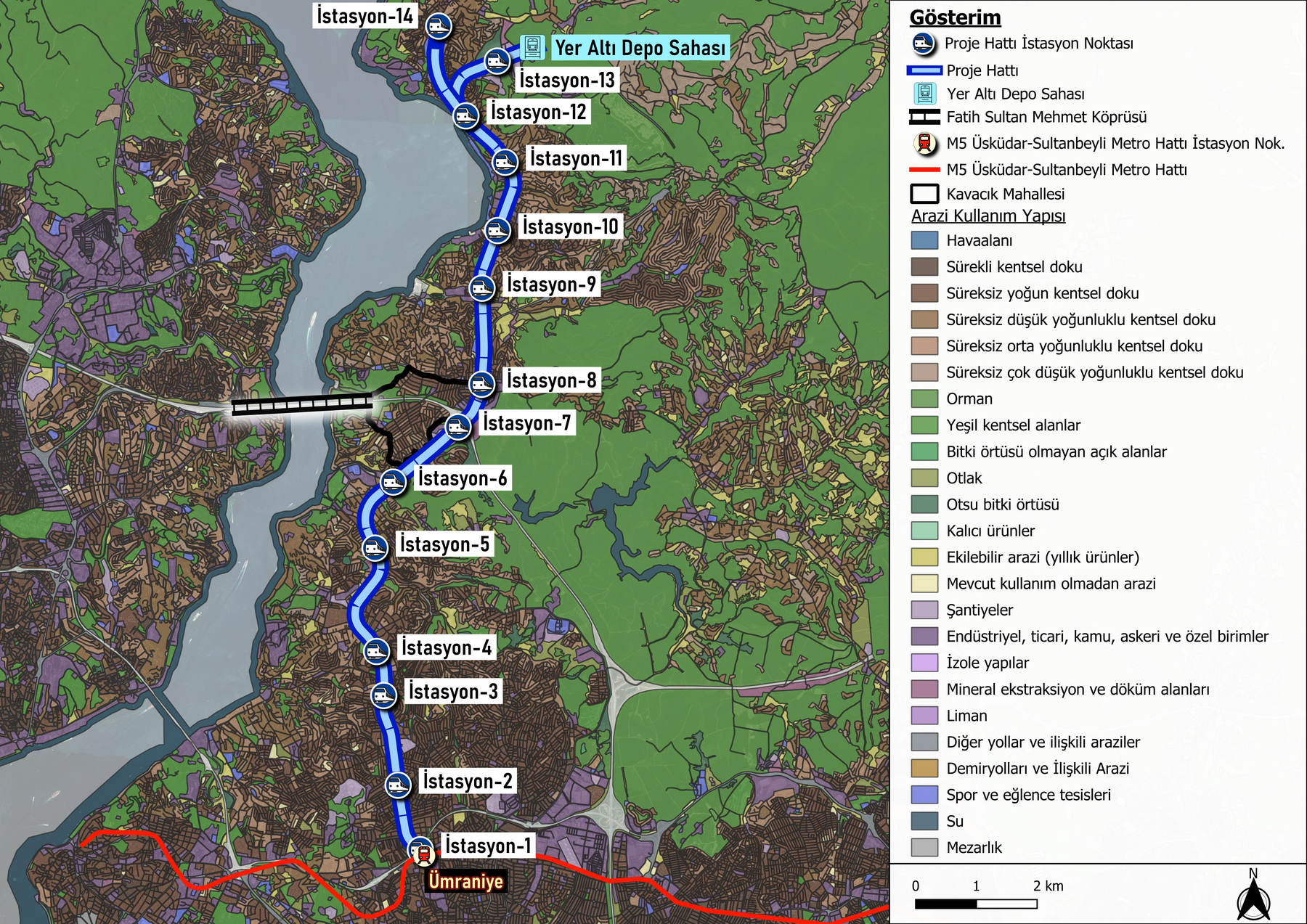
Beykoz and Kavacık have poorer rail access than other densely populated areas on the Anatolian side of Istanbul. The study develops an integrated rail corridor that connects Beykoz to Ümraniye and the existing metro network by way of Kavacık, complements road and ferry services, makes interchange easier and reduces the share of trips made by car.
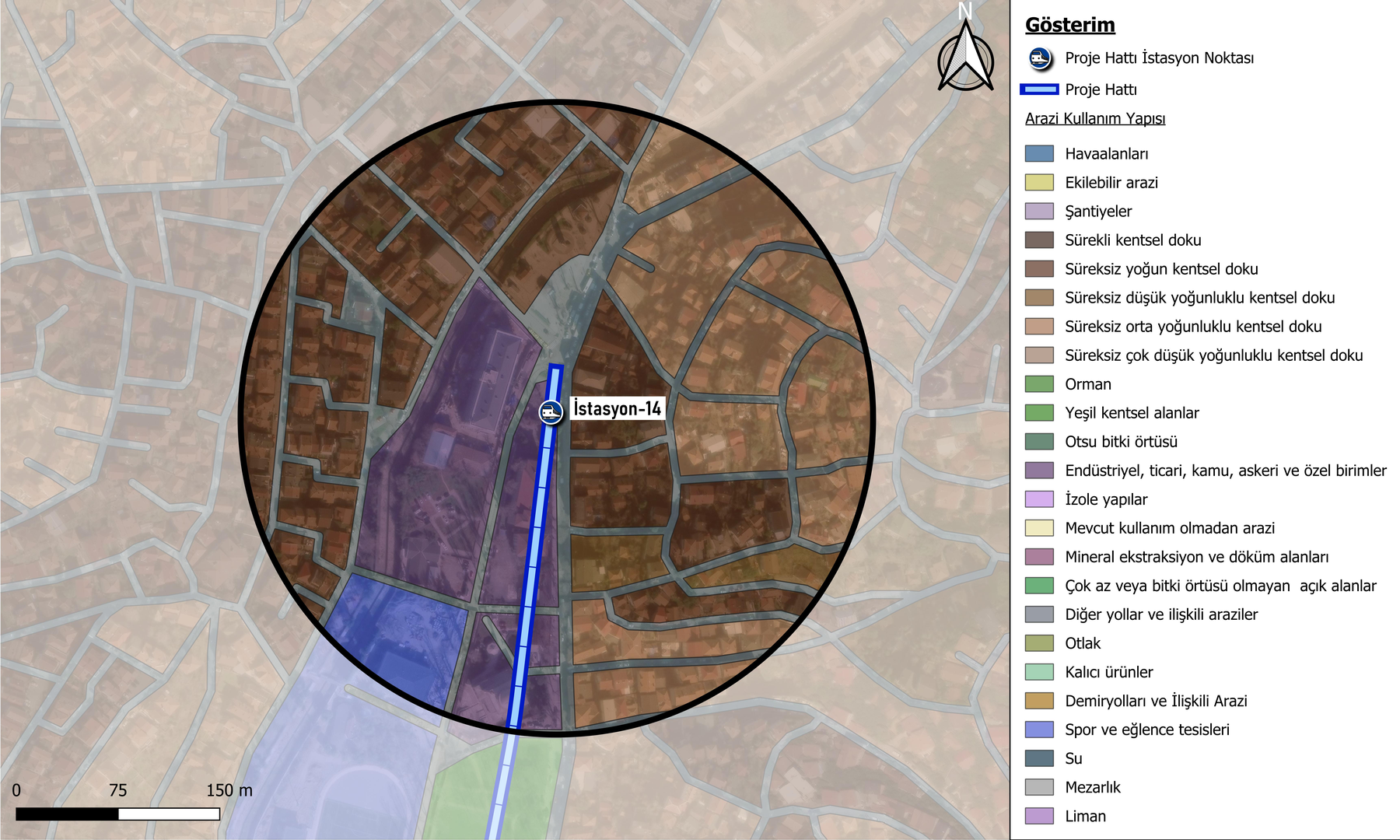
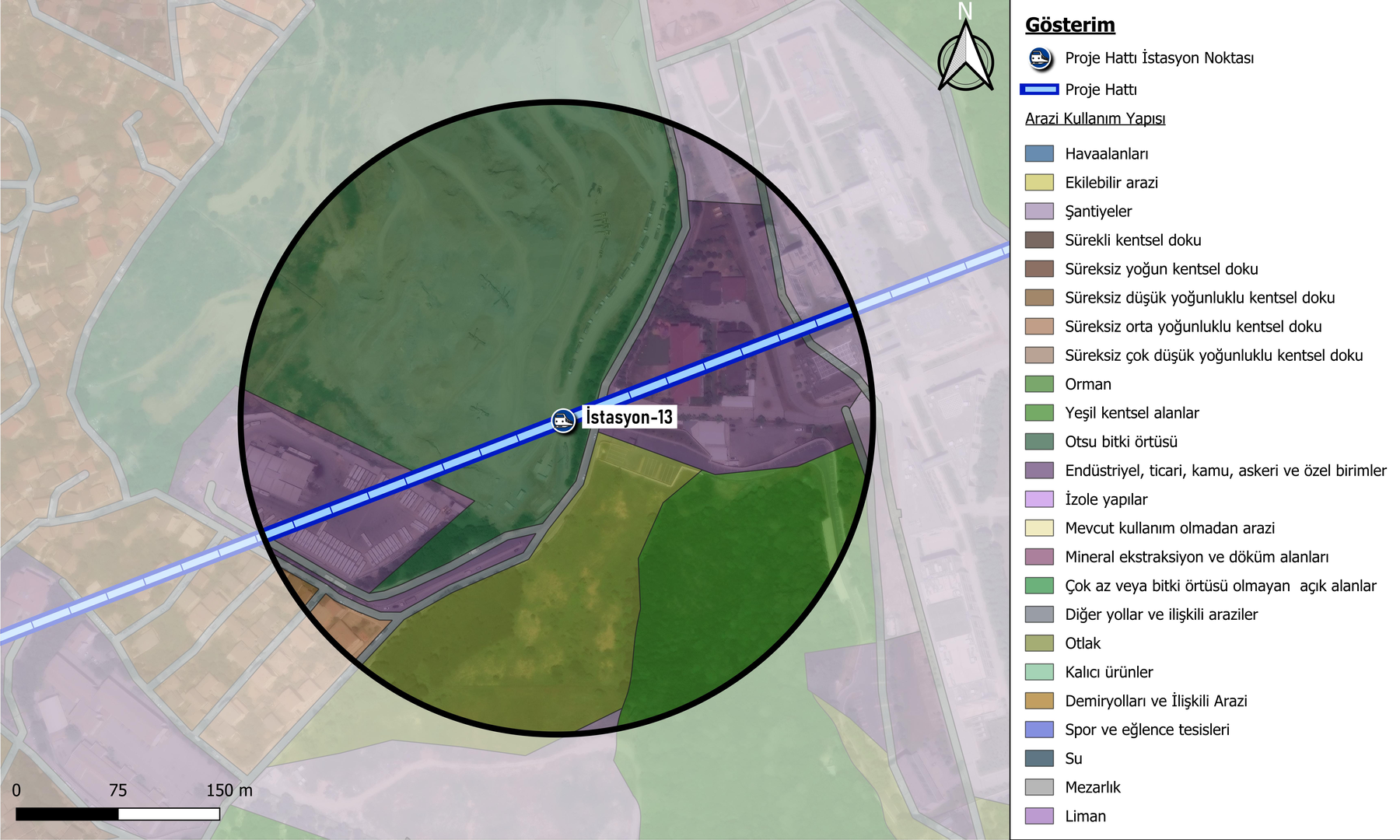
The route work examined current land use, population and employment densities, travel demand, the main trip attractors and existing public transport connections together. Station catchments and walking access were assessed in detail, and the passenger demand and operating performance of different corridor options were compared using the transport model.
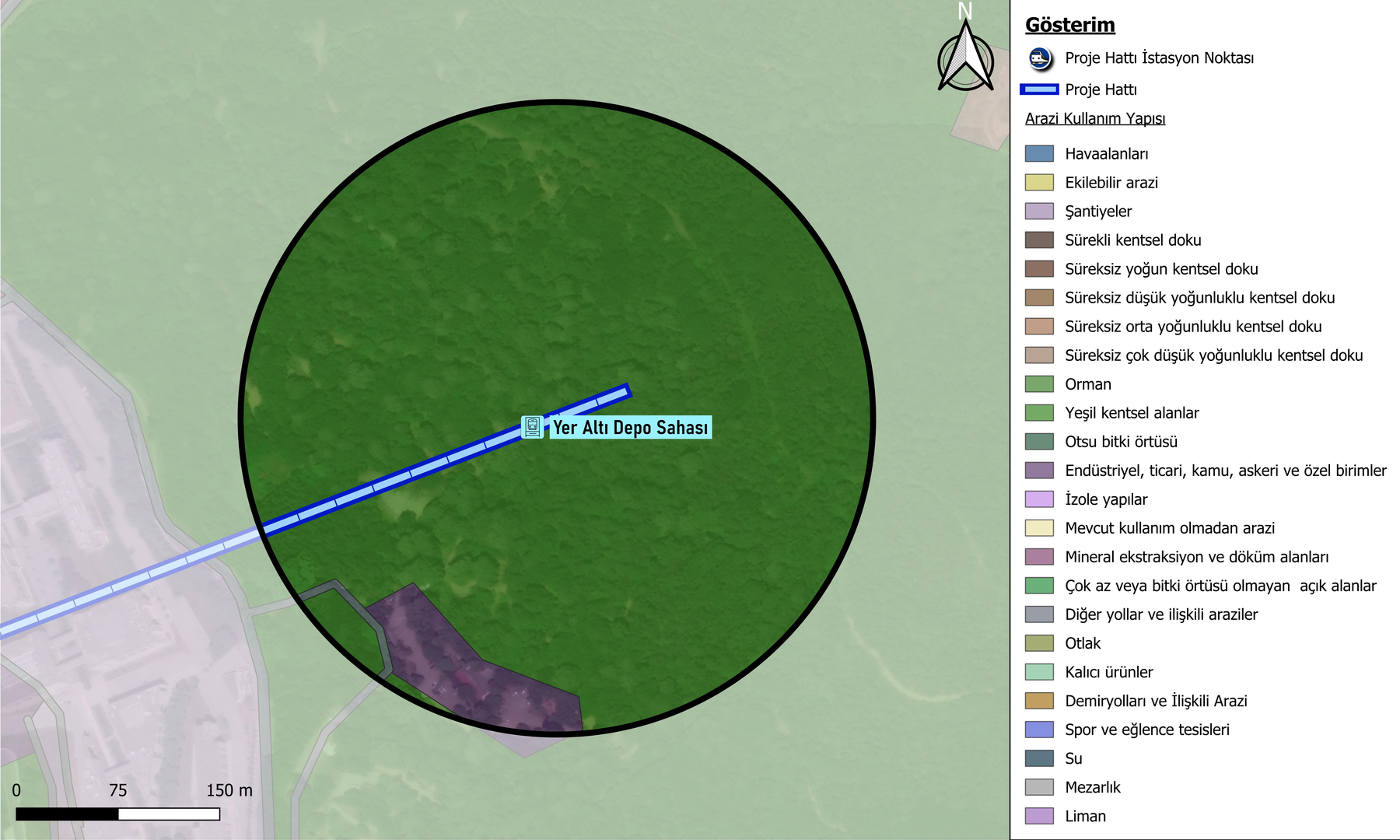
The line plan was developed with regard to station locations, the underground depot site, technical system requirements and fit with the urban fabric. Capital cost, operating expenditure, economic benefits, environmental effects and integration with other rail lines were considered together, with the aim of arriving at a public transport solution for Beykoz that can be built in stages, is accessible and works over the long term.
City: Istanbul
Country: Türkiye
Client: Beykoz Municipality
Project Period: 2026
Scope of Work: Transport modelling and demand forecasting, route and station planning, assessment of the underground depot site, technical system selection, cost analysis, and financial, economic and environmental feasibility.