A 2,500-Household Survey Programme for the Bursa Rail Study
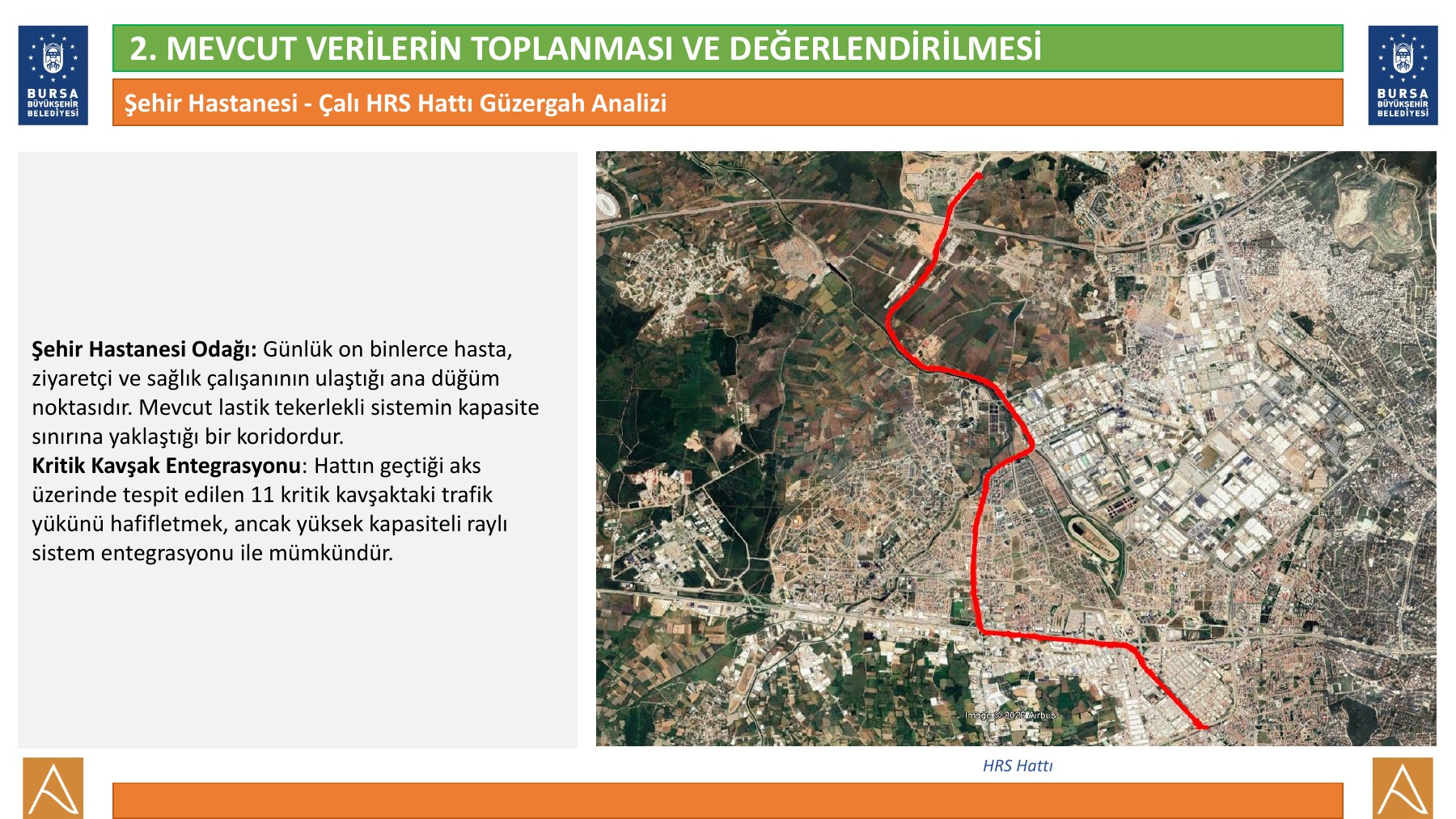
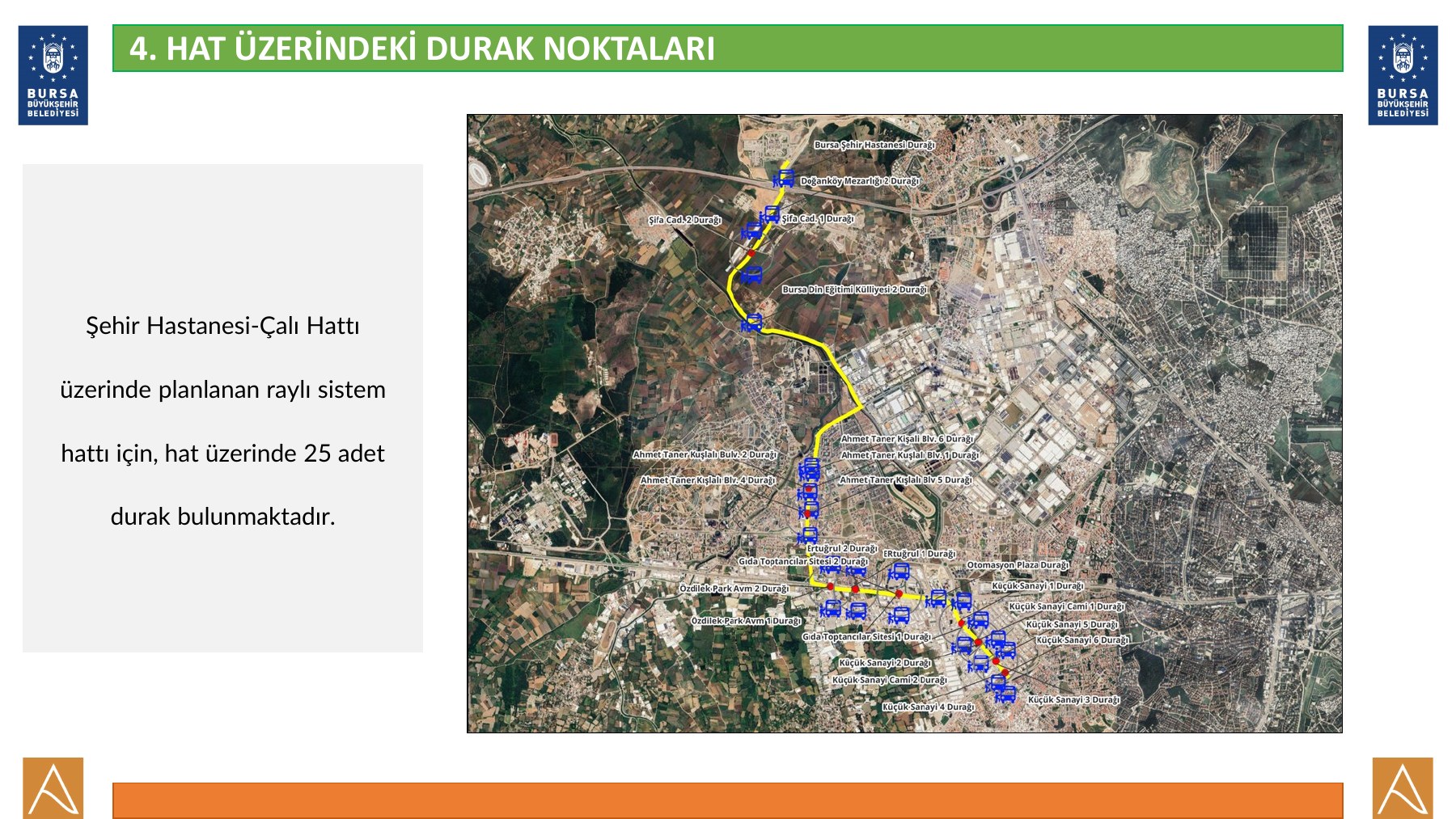
A data collection programme has been established for the study of the Kızılcıklı–Çalı and City Hospital–Çalı rail lines planned in south-west Bursa. The work sets out to measure, with reliable data, the heavy travel demand generated by the growing residential areas and the City Hospital, and to compare workable rail options for the two corridors.
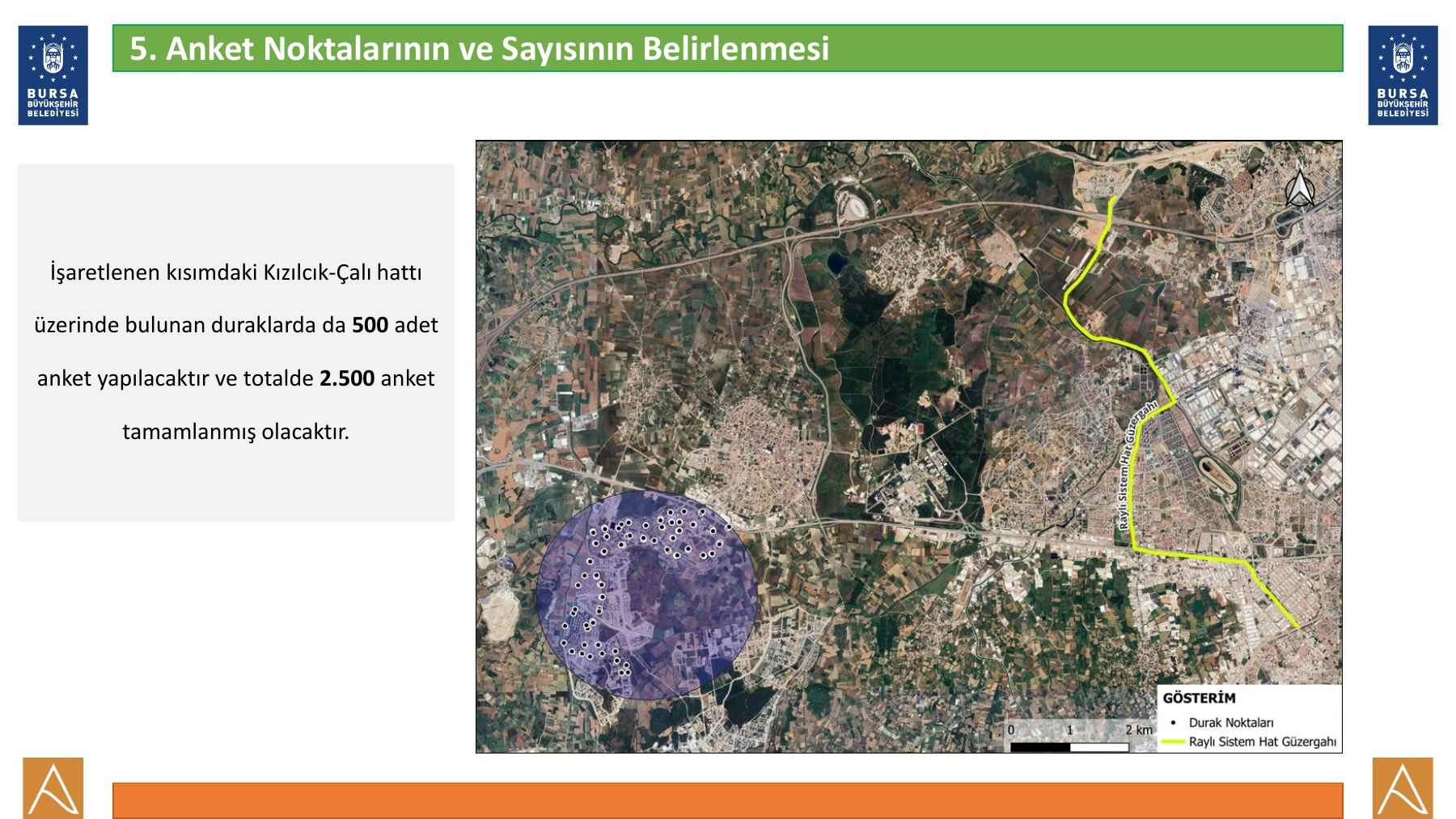
One of the most important parts of the programme is an origin–destination survey of 2,500 households that will set out how people travel across the study area. The surveys will establish trip purpose, mode of travel, origins and destinations and interchange preferences, so that the transport model reflects not only today's movements but the demand that will follow as the area grows.
To assess how the rail alignments relate to the road network, traffic counts at 11 critical junctions within the lines' area of influence are planned. The results will be used to examine capacity utilisation at busy times, queueing, and the effect of rail crossings on junction operation.
The data collected will allow the alignment, stop accessibility, interchange opportunities and operating options to be assessed together. The study concludes with a rail investment framework for Bursa's south-west corridor that shortens journey times, strengthens access to public transport and can be delivered in stages.