
Abstract
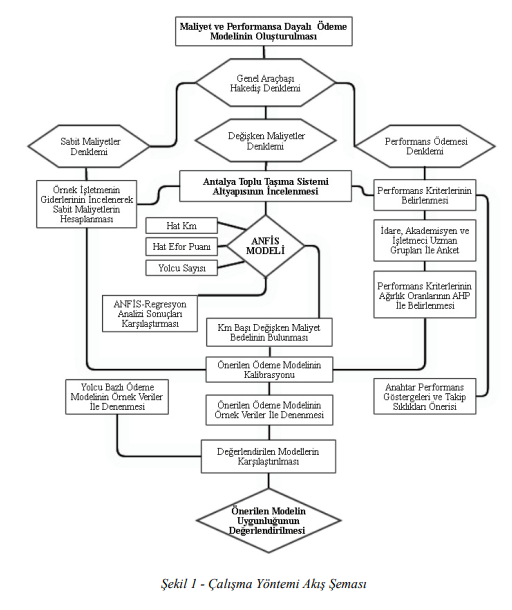
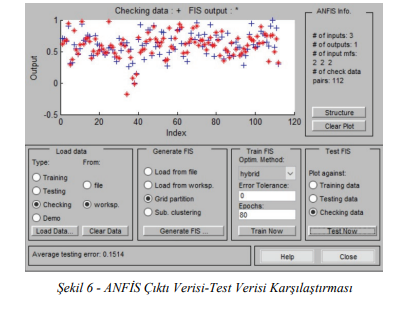
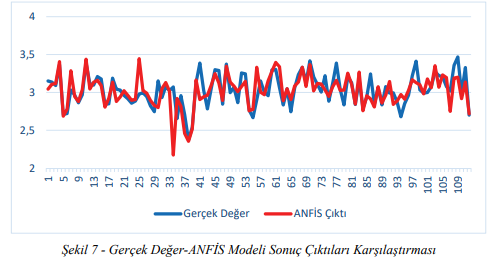
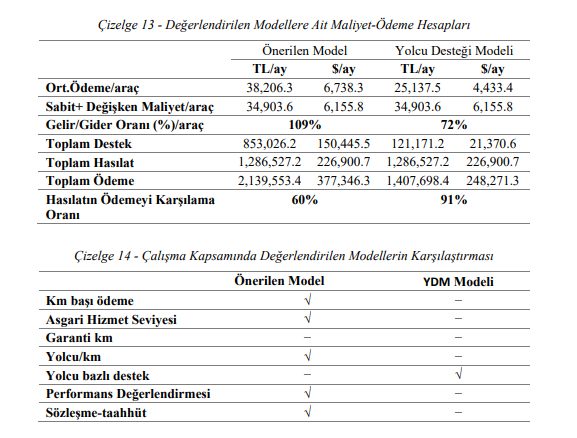
Public transport in Türkiye is operated under three broad arrangements: wholly public, wholly private, and a mixed model in which both public and private operators are present. Where private operators are involved, the free or discounted travel granted to concessionary passengers — those over 65, disabled passengers, students and others — pushes operating costs steadily upwards, which has brought the question of subsidy from central and local government onto the agenda. Across the various arrangements in use, there is no standard for reducing operators' costs, improving their efficiency or raising service quality. This study examines the performance criteria and payment principles that should be assessed within contracts of different kinds under which private companies operate public transport services. Its aim is to establish a performance-based payment model for a sample public transport system. Contract and payment models used in the literature were reviewed and a mathematical model developed for performance-based payment. Costs were assessed using ANFIS (adaptive neuro-fuzzy inference systems) applied to historic data from the private operator studied. The weights of the selected performance criteria were established using AHP (the analytic hierarchy process), and the coefficients of the payment model derived from them. Simulation was then used to compare the proposed model with a passenger-based one. The analysis found that the proposed model produced a 37% better revenue-to-cost ratio for private operators and covered their costs in full. The method proposed offers a way of sustaining a public transport system, while the additional performance payment raises service quality and makes public transport more attractive.
View the full article ↗